Servals might not be Africa’s biggest cats, but when it comes to hunting, they outperform lions. Here’s the design that makes this medium-sized cat so successful.
Legs built for height
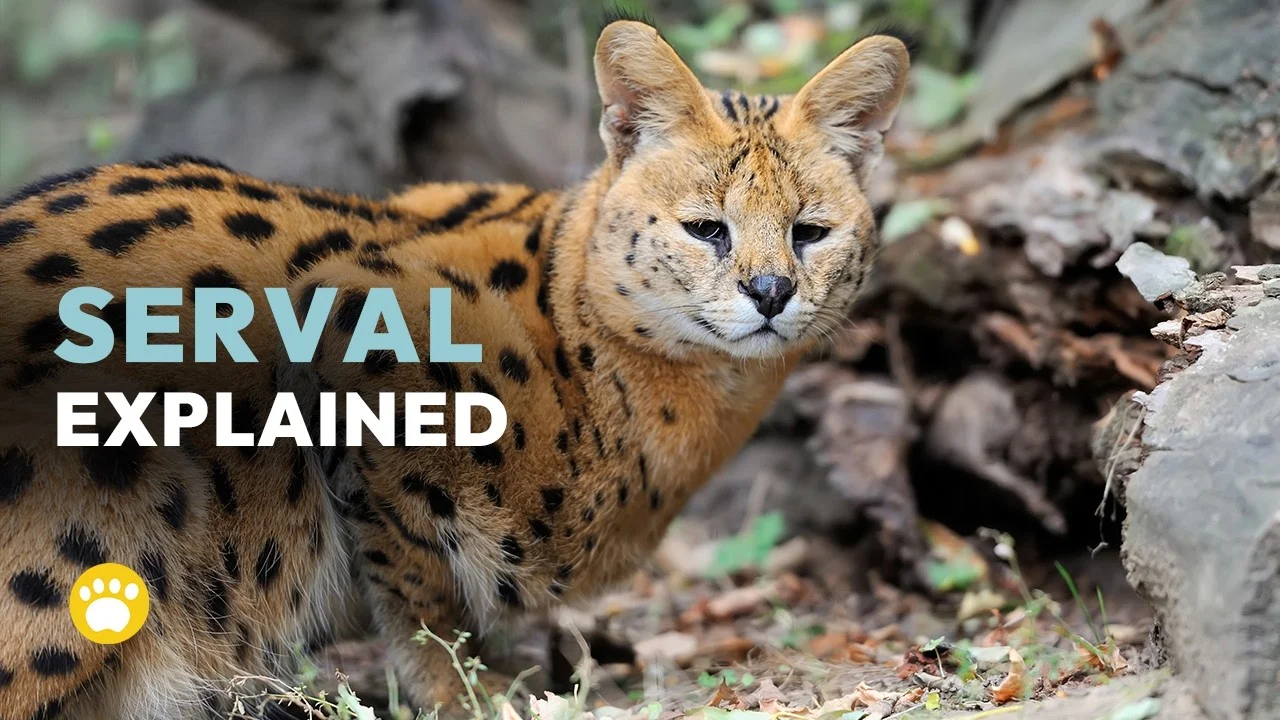
Servals have the longest legs of any cat relative to body size, letting them see over tall grass. Powerful back legs launch them nearly 10 feet straight up, enough to snatch a bird mid-flight or land on a hidden rodent.
Radar ears
Tall, rounded and always moving, each ear rotates independently like a radar dish. Servals can hear the faintest rustle, and even ultrasonic sounds rodents make, so they can track prey that’s completely hidden.

A body for burrows and camouflage
The slim, flexible body has front legs slightly shorter than the back, ideal for reaching into burrows and tight spaces. Bold spots and stripes make it nearly invisible in grassland and reed beds.

The hunt
The serval doesn’t waste energy chasing. It waits silently, sometimes for minutes, until it knows exactly where the prey is, then launches a vertical pounce, pinning the target with both front paws and finishing with a quick bite.
Hunting success rates
- Serval (average) About 50%
- Serval (rodents) Up to 80%
- Lion About 20 to 30%
The takeaway
It lacks a lion’s size and a cheetah’s speed, but long legs, radar ears, camouflage and a precise strike make the serval one of the most efficient hunters in the cat family.