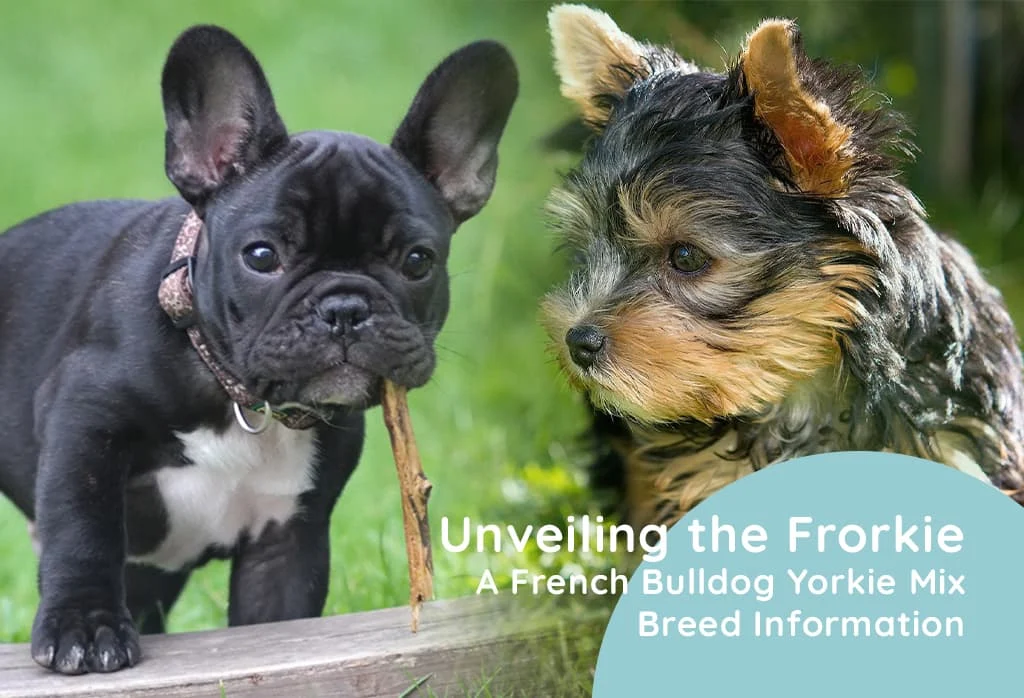
The French Bulldog has been the most registered breed in the United States since 2022, according to the American Kennel Club. The Yorkshire Terrier has been a favorite small dog for well over a century. Cross the two and you get the Frorkie, sometimes called the Yorkie Frenchie: a small, bold, affectionate dog whose looks can range from “tiny bulldog with fluffy hair” to “Yorkie with bat ears.”
Because the parents are so different, no two Frorkies are quite alike. Here is what you can expect, and what to ask before bringing one home.
Frorkie at a glance
- Parents French Bulldog and Yorkshire Terrier
- Height About 8 to 12 inches
- Weight Usually 10 to 20 pounds
- Coat Short and smooth, long and silky, or somewhere in between
- Lifespan About 12 to 15 years
- Main health concerns Breathing problems, knees, teeth and the windpipe
Meet the parents
The French Bulldog descends from toy-sized bulldogs that lace workers took from England to France in the 1800s. Frenchies weigh under 28 pounds, have big upright “bat” ears and a flat face, and are known for being calm, funny and people-focused.
The Yorkshire Terrier was developed in northern England in the 19th century, largely by working-class families in the mill towns of Yorkshire. It was used to catch rats in mills and mines before becoming a fashionable lap dog. The AKC breed standard calls for a dog of no more than 7 pounds. Yorkies have a long, silky coat of hair that keeps growing, and a big terrier personality.
Looks
A Frorkie can take after either parent or blend the two. Common features include:
- Upright ears, often large like a Frenchie’s
- A slightly longer muzzle than a French Bulldog, which is good for breathing
- A compact, sturdy body
- A coat that may be short and smooth, wiry, or long and soft
- Colors including black and tan, fawn, brindle, cream, blue and tan, or gold

Temperament
Owners usually describe Frorkies as affectionate, playful and loyal, with plenty of personality packed into a small body. From the Frenchie side, many get a love of cuddling and a relaxed attitude. From the Yorkie side, they often get alertness, confidence and a fondness for barking.
Typical traits include:
- Strong attachment to their people, and a dislike of being left alone for long
- A watchdog bark that goes off at every knock
- Some stubbornness during training
- A playful streak that suits families with gentle, older children
Because they are small, Frorkies can be hurt by rough handling, so very young children should be supervised.
Health
The Frorkie can inherit health problems from both parents. Knowing them in advance helps you choose a healthier puppy and spot problems early.
From the French Bulldog side
- Breathing problems (BOAS). Brachycephalic obstructive airway syndrome affects flat-faced dogs. Signs include loud snoring, noisy breathing, struggling with exercise, and overheating. A 2021 study of more than 2,700 French Bulldogs by the Royal Veterinary College (RVC) in London found they were about 31 times more likely to be diagnosed with BOAS than other dogs. A Frorkie with a longer muzzle will usually breathe more easily.
- Heatstroke. A 2020 study in Scientific Reports, using records from about 905,000 UK dogs, found French Bulldogs had about six times the heatstroke risk of Labrador Retrievers.
- Skin and ear problems. The same RVC study found high rates of skin fold infections and ear discharge.
- Spinal problems. Frenchies are prone to back issues, including disc disease.
From the Yorkie side
- Dental disease. Small mouths crowd the teeth. In a study published in BMC Veterinary Research in 2019, 44 percent of the young Yorkshire Terriers followed had periodontitis in 12 or more teeth by about 9 months of age.
- Tracheal collapse. The windpipe weakens and flattens, causing a dry, honking cough.
- Loose kneecaps (patellar luxation). A kneecap slips out of place, causing skipping or limping.
- Low blood sugar. Tiny puppies can become weak or shaky if they skip meals.
- Liver shunt. An abnormal blood vessel bypasses the liver. Signs include slow growth and odd behavior after meals.

Daily care
- Exercise: About 30 to 45 minutes of walks and play a day is enough for most Frorkies. Keep sessions shorter and slower if your dog has a flat face or snores heavily.
- Heat safety: Walk early in the morning or in the evening during summer, always carry water, and never leave your dog in a parked car.
- Use a harness: A body harness protects the windpipe and airways, which matters for both parent breeds.
- Teeth: Brush daily if you can, starting in puppyhood, and schedule regular dental checkups.
- Weight: Extra pounds make breathing, knee and back problems worse. Measure meals and go easy on treats.
- Feeding: Small puppies should eat three or four small meals a day to prevent low blood sugar.
Grooming
Grooming depends on the coat. A short Frenchie-type coat needs a weekly brush. A long Yorkie-type coat needs brushing every few days and a trim every 6 to 8 weeks. Clean any facial folds and ears regularly, and trim the nails every few weeks.
Are Frorkies hypoallergenic? No dog is. Allergies come from proteins in skin flakes, saliva and urine. Hair only carries them around. A Frorkie with a Yorkie-type coat may shed less, but people with allergies should spend time with the dog before committing.
Training
Frorkies are smart and eager for attention, but both parent breeds can be stubborn. Short, upbeat sessions with treats and praise work best. Start house training early and keep a strict routine, since small breeds often take longer to house train. Teaching a “quiet” cue helps manage barking.
Finding a Frorkie
Since the Frorkie is a crossbreed, no kennel club recognizes it, and quality varies widely between sellers. Before buying, ask the breeder:
- Have both parents been checked for breathing problems, ideally with a respiratory grading scheme?
- Have the parents had their knees, eyes and hearts examined?
- Can I see where the puppies are raised and meet the mother?
- How long is the puppy’s muzzle, and does it breathe quietly at rest?
Rescue groups for French Bulldogs and Yorkies often take in mixes too, so adoption is worth considering.