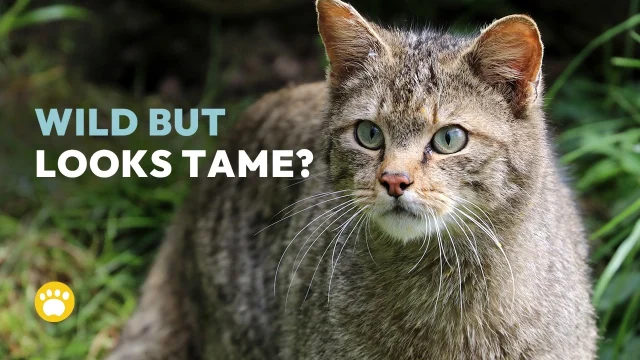
That calm, unhurried stare seems to say the fox knows exactly what you’re thinking, and it probably does. The red fox has lived alongside humans, reading our patterns, for longer than most civilizations have existed. Yet most people couldn’t name a single true fact about how it works.
Red fox at a glance
- Scientific name Vulpes vulpes
- Range The entire Northern Hemisphere, and growing
- Home range About 1 to 20 square miles
- Gestation About 52 days
- Litter Usually 4 to 5 cubs (up to 13 recorded)
The most widespread wild land carnivore
From Arctic Canada to the forests of Japan, from North Africa’s mountains to suburban woodland edges, no other land predator comes close to the red fox’s footprint. It doesn’t retreat when humans arrive. It watches, adapts and waits.

Senses tuned for precision
- Ears rotate independently like satellite dishes and can detect a mouse rustling under several inches of soil or snow.
- Nose: a stretch of forest is a chemical archive of every animal that passed, when, what it ate and whether it was stressed.
- Eyes have vertical slit pupils like a cat’s, for hunting at dawn and dusk.
The northeast pounce
Over two years, Czech researchers watched 84 wild red foxes make nearly 600 hunting leaps. When prey was visible, foxes attacked from any direction. When it was hidden, they consistently faced northeast, and those attacks succeeded 74 percent of the time, versus 18 percent in other directions. Scientists believe the fox may use Earth’s magnetic field as a rangefinder to judge how far to leap. It may be the first animal found using the field as a hunting tool rather than for navigation.
A mental map
Foxes patrol their range constantly and remember not just where food is, but the exact distance to it. In one experiment, a cached item moved just 3 feet was missed: the fox searched the original spot and walked away.

Family life
Red foxes mate between January and March, and the vixen gives birth in early spring in an underground den called an earth, often a repurposed badger or rabbit burrow. Cubs arrive blind, deaf and about 3.5 ounces each, unable to regulate body temperature. The vixen stays with them for two weeks while the dog fox hunts, and often older daughters from previous litters help feed the den. Eyes open around two weeks; at four weeks, cubs venture outside.
Play is serious business
Infrared cameras inside wild dens show a hierarchy forming as early as one week, as cubs compete for milk. By three weeks, distinct personalities appear: bold cubs and cautious ones. These differences persist into adulthood as real survival strategies. The mother monitors without intervening, introduces solid food at three to four weeks, and later she and the dog fox bring live prey for cubs to practice on. By late summer cubs hunt with the adults; by autumn most leave to find their own territories.
A five-octave language
- More than 20 distinct vocalizations across five octaves.
- A three-to-five-syllable bark is the long-distance contact call.
- The winter shrieks people mistake for a person in distress are mating calls.
- Each fox’s voice is distinct; captive foxes respond to recordings of penmates and ignore strangers.
Body language adds more: a high tail signals confidence, a tucked tail fear, ears flattened sideways with an upside-down-U tail invites play, and the white tail tip may act as a visible surrender flag in low light.
The takeaway
That cub staring at you from the grass isn’t lost or waiting to be rescued. It’s taking its time learning exactly what kind of world it was born into, before it has to go out and live in it alone.