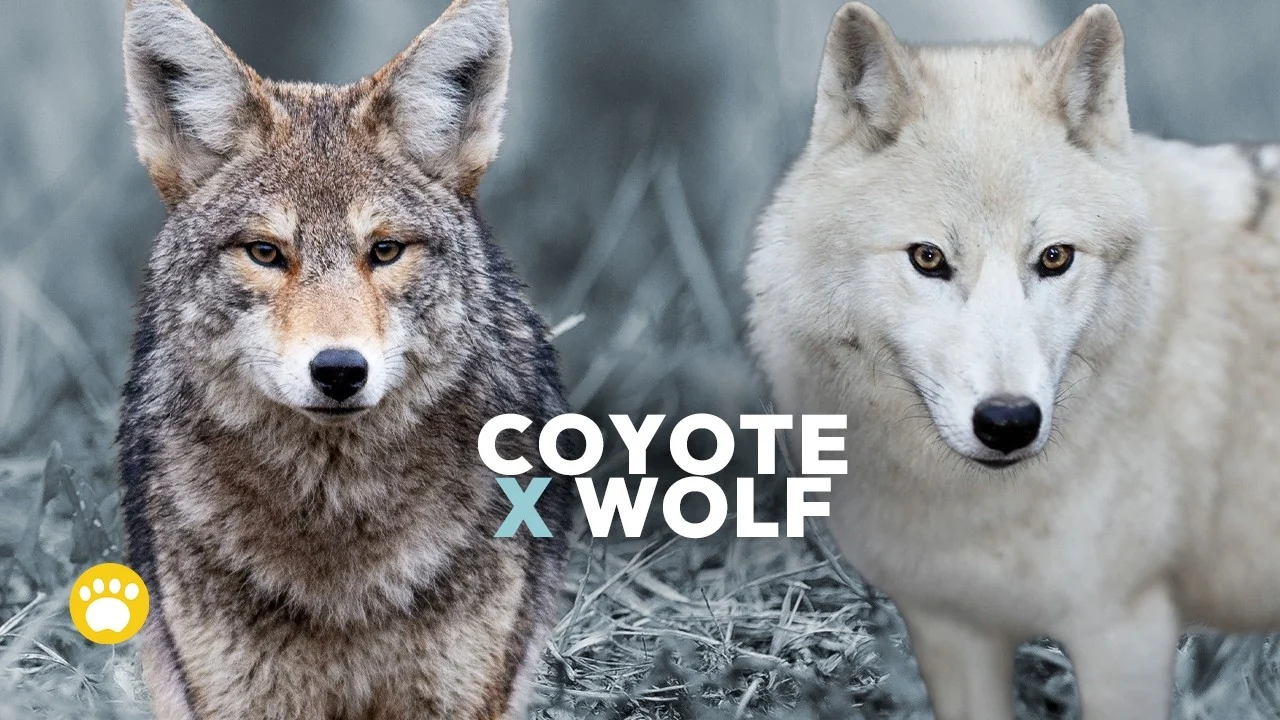
They look like nature couldn’t decide: a little coyote, a bit of wolf and a dash of domestic dog. This isn’t fiction. It’s the coywolf, a rare wild hybrid that didn’t just survive, but thrived.
1. They’re not half and half
Most people assume 50 percent coyote, 50 percent wolf. In reality, coywolves are mostly coyote, about 60 to 80 percent, with the rest a mix of wolf and even domestic dog.
2. They’re built bigger
A western coyote might weigh about 25 pounds; coywolves often hit 35 to 45, some reaching 60, with stronger bodies, longer legs and more powerful jaws.
3. Their howl is a remix
A coywolf call often starts low like a wolf’s howl and ends in a coyote-like string of yips.

4. They’ll eat almost anything
Mice, rabbits, berries, insects, deer and even garbage. In cities, they’ve learned to cross roads, avoid people and scavenge unseen.
5. They’re living in cities, quietly
In places like New York, Boston and Toronto, coywolves have moved into parks, golf courses and green belts, active mostly at night and good at avoiding people.

6. They’re unusually successful
Hybrids often struggle in nature, but this mix pays off: wolf-like strength with coyote-like smarts and adaptability, letting them live where neither parent could.
7. Many experts avoid the name
Many researchers prefer “eastern coyote,” since “coywolf” suggests a 50-50 mix. Some scientists argue they deserve recognition as a distinct canid.
The takeaway
Coywolves didn’t just adapt; they became something new. Whether you live in the countryside or a busy city, one might be moving through the shadows nearby right now.