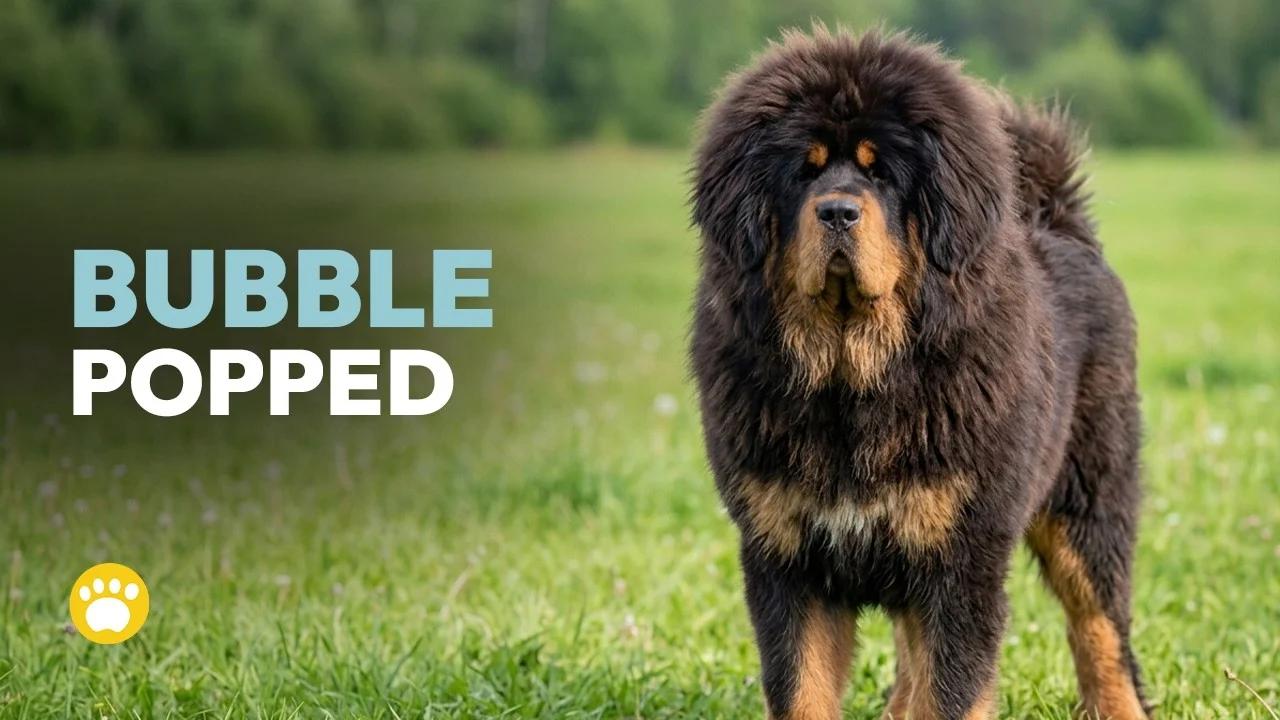
A dog sold for almost two million dollars. In March 2014, a property developer from Qingdao paid 12 million yuan for a one-year-old golden Tibetan Mastiff at a luxury pet fair in Zhejiang Province, China. Three years earlier, an 11-month-old red male named Big Splash sold for 10 million yuan, about $1.5 million, entering Guinness World Records as the most expensive dog ever sold.
Meanwhile, a Tibetan Mastiff puppy from an American breeder cost $2,000 to $6,000. Same breed. That gap explains almost everything.
Millions for status
Those millions bought status, not a working guardian. The golden puppy’s breeder, Zhang Gengyun, told the Qianjiang Evening News his dogs carried “lion’s blood” and compared their rarity to giant pandas. Some buyers were purchasing breeding stock to rent out at stud. An industry insider quoted in the same report suggested many of the sky-high figures were breeders inflating each other’s prices in deals where no money changed hands.

The real reasons for a high price
1. Biology
Most breeds cycle into heat twice a year. Tibetan Mastiff females typically cycle once, so litters usually arrive in December or January, and a breeder gets one shot per year per female. Add slow maturity, with full adulthood around two years, and a serious program produces very few dogs.
2. Scarcity in the West
The first documented arrival in England was in 1847, when Lord Hardinge, Viceroy of India, sent a large dog from Tibet named Siring to Queen Victoria. The AKC didn’t fully recognize the breed until 2006. Few American breeders exist, and responsible ones run hip and elbow evaluations, thyroid panels and eye exams before breeding a single litter. That screening lands in the puppy price.
3. Coats priced like collectibles
A black mastiff, the most common color, sits at the bottom of the range. A red one can run $10,000 or more, because red carries associations with luck and prosperity in Chinese culture and full red coats are uncommon. Champion bloodlines reach $12,000 to $15,000. None of that makes the dog healthier.

The purchase price is the smallest expense
Cost of ownership
- Adult male Up to 150 pounds
- Food About 2.5 lb a day, roughly $80 to $150 a month
- Grooming $100 to $250 a session, several times a year
- Hip dysplasia surgery Typically $1,700 to $4,500
- Lifetime $25,000 to $50,000 over 10 to 12 years
The breed is predisposed to hip and elbow dysplasia, hypothyroidism, eyelid defects and bloat.
The takeaway
Strip away the speculation and a Tibetan Mastiff is expensive for ordinary reasons: one litter a year, few careful breeders, and a giant dog’s lifetime costs. The million-dollar headlines were about status, not the dog.