A dog can go from playful puppy to gray-muzzled senior in what feels like a blink. Most dogs live 10 to 15 years. (Bobi, a Rafeiro do Alentejo, was once declared by Guinness to have lived over 30 years, a title later withdrawn after a review.) So what decides how long a dog lives?
Size matters most
Small breeds like Chihuahuas, Toy Poodles and Jack Russells often live 14 to 16 years or more. Giants like Great Danes and Mastiffs sometimes manage just 6 to 8. Scientists have found big dogs age faster: they grow faster, their cells divide more quickly, and their bodies wear down sooner, with more strain on the heart, joints and even DNA.

Face shape
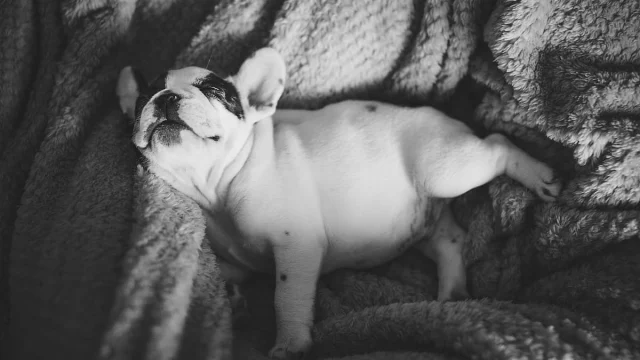
Flat-faced dogs like Bulldogs and Pugs live shorter lives than long-nosed dogs. A major study found nose length could predict lifespan: short-snouted breeds averaged about 9 years, while longer-snouted dogs often reached 13 to 14. Breathing difficulty, heat sensitivity and airway problems take their toll.

Genetics and sex
Some purebreds are prone to inherited diseases, and mixed breeds can benefit from genetic diversity, but size and skull shape matter more than purebred status. Females also tend to live a little longer than males.
What you can do
- Studies suggest dogs fed once a day tend to be healthier.
- Keep your dog at a healthy weight and avoid overfeeding.
- Keep them active.
- Don’t skip regular vet checkups.
The takeaway
Dogs live shorter lives than we’d like, but those years can still be full of health and happiness. Maybe that’s what makes them special: for them, every day with you is the best day ever.