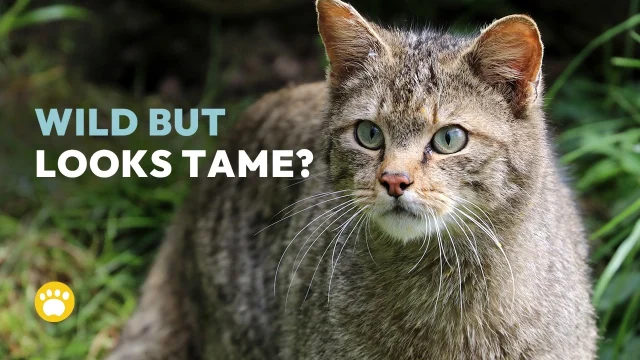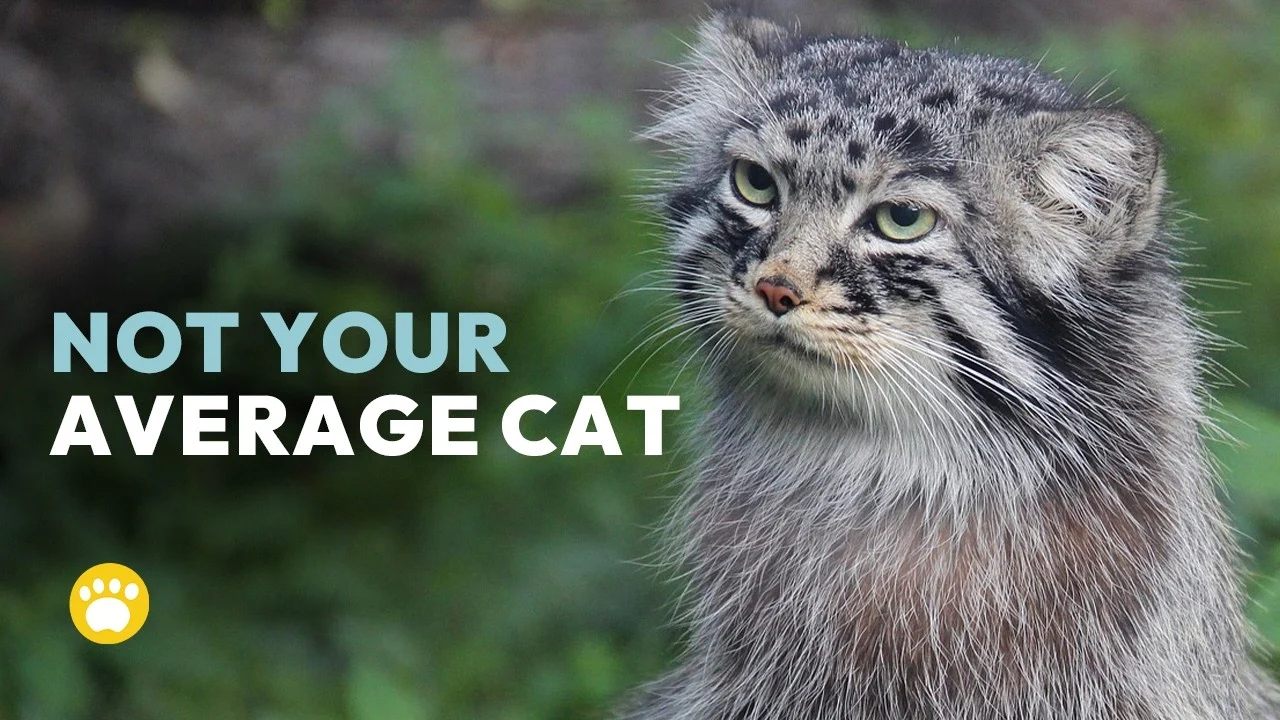
Most people have never heard of Pallas’s cat, and fewer realize how different it is from every other wild feline. These six traits show a small cat built for some of the harshest conditions on Earth.
Pallas’s cat at a glance
- Weight About 6 to 10 pounds
- Range Mongolia, China, Russia and Central Asia
- Winter lows Down to −58°F
- Male territory Over 75 square miles
1. The thickest coat of any wild cat
A dense undercoat and long outer hairs keep it warm where winter can hit −58°F. It even has fur on its belly and the bottoms of its paws to insulate against cold ground and snow.
2. Round pupils
Most small wild cats have vertical slit pupils. Pallas’s cat has round ones, like lions, which helps it handle the changing light of high-altitude environments.

3. A low profile
Its ears sit low and wide on the sides of the head, letting it stay hidden while watching for prey or predators. With a flat face and camouflaged fur, it’s hard to spot among rocks and snow.
4. Where it lives
Remote rocky grasslands and mountain slopes with little snow depth across Central Asia. Its range is wide, but it’s rarely seen.

5. Ambush hunting
It doesn’t chase. It waits quietly near burrows, using rocks and vegetation for cover, to ambush small rodents like pikas and voles.
6. A huge territory for a small cat
House-cat-sized, yet males can cover over 75 square miles, necessary where food is scattered and scarce.
The takeaway
Pallas’s cat isn’t just another wild feline. Every trait reflects survival in an extreme environment, making it a true specialist.