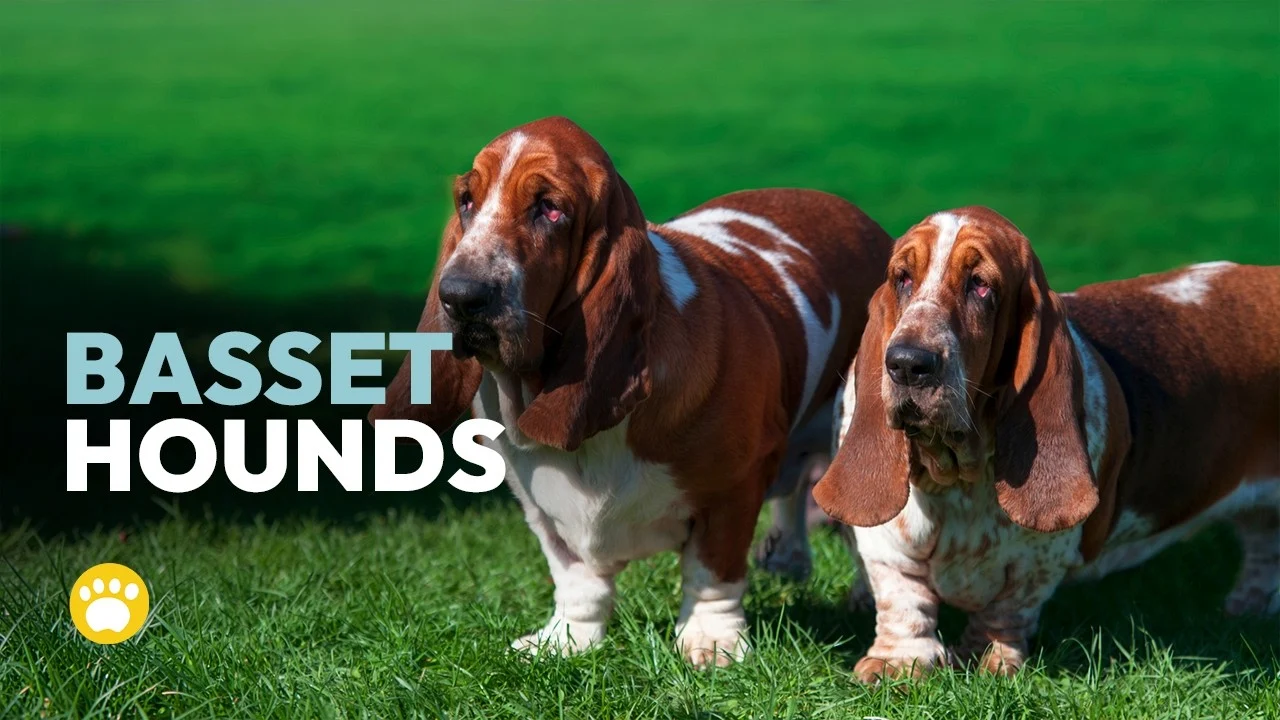
A Basset Hound stands less than 15 inches tall at the shoulder. Pick one up, though, and you could be lifting 65 pounds. That gap between how small this dog looks and how much it actually weighs explains almost everything about the breed, from the way it hunts to why it struggles in water.
Basset Hound at a glance
- Height Under 15 inches at the shoulder
- Weight Up to around 65 pounds
- Scent receptors About 220 million (humans: about 5 million)
- Activity About an hour a day, mostly slow sniffing walks
- Lifespan 12 to 13 years on average
Not a couch potato: a working hunter
The Basset has a reputation for lounging, but the breed started as a working hunter. It traces back to the St. Hubert Hound, the same family line that produced the Bloodhound. French hunters wanted a dog they could follow on foot while it trailed rabbits and hares through thick brush. A shorter dog moves slower, so the hunters could keep up. The name comes from the French word bas, meaning low.
A nose second only to the Bloodhound
Basset Hounds rank second only to the Bloodhound for tracking by scent. Every droopy feature has a purpose:
- The ears, among the longest of any breed, drag along the ground and stir up scent.
- Loose skin and facial wrinkles trap that scent near the nose.
Where “stubborn” comes from
Once a Basset locks onto a trail, it tends to tune out everything else, including you. Their nose simply wins the argument. They are strongly food motivated, so treats work well in training. The same drive makes them skilled counter thieves. If food sits within reach, expect it to disappear.
Heavy bones and water don’t mix
The official American breed standard describes the Basset as heavier in bone, for its size, than any other breed. Heavy bones, short legs and a big head make swimming very hard. In water the front end tends to rise while the back end sinks. A Basset should never be left alone near a pool.

Protect that long back
Long, low dogs are prone to back problems, including slipped discs, and in this breed they can show up in young adults, not just older dogs.
- Limit jumping off couches and running up stairs.
- Keep meals measured: extra weight makes back problems worse, and a food-loving dog gains weight fast.
- Aim for about an hour of daily activity, mostly slow walks with plenty of sniffing.
Eyes, ears, skin and stomach
- Eyes: Droopy lower eyelids leave the eye exposed to dryness and irritation. Bassets also face a higher risk of glaucoma, which can cause blindness quickly. A red, cloudy or painful eye needs a vet right away.
- Bloat: Their deep chest puts them at risk of the stomach filling with gas and twisting.
- Ears: Floppy ears trap moisture, so regular cleaning helps prevent infections.
- Skin folds: Wipe them to keep odor and yeast under control.
Living with a pack dog
Bassets were bred to hunt in packs, so they want company. They tend to get along well with kids, other dogs and even cats.
The flip side shows up when they are left alone too long. Many will howl. That deep, booming bay once helped hunters find the dog in thick cover. Inside a house, it carries just as far.
The Basset checklist
Keep meals measured, protect the back from jumps and stairs, check the ears and eyes every week, and give that nose a trail to follow every day.