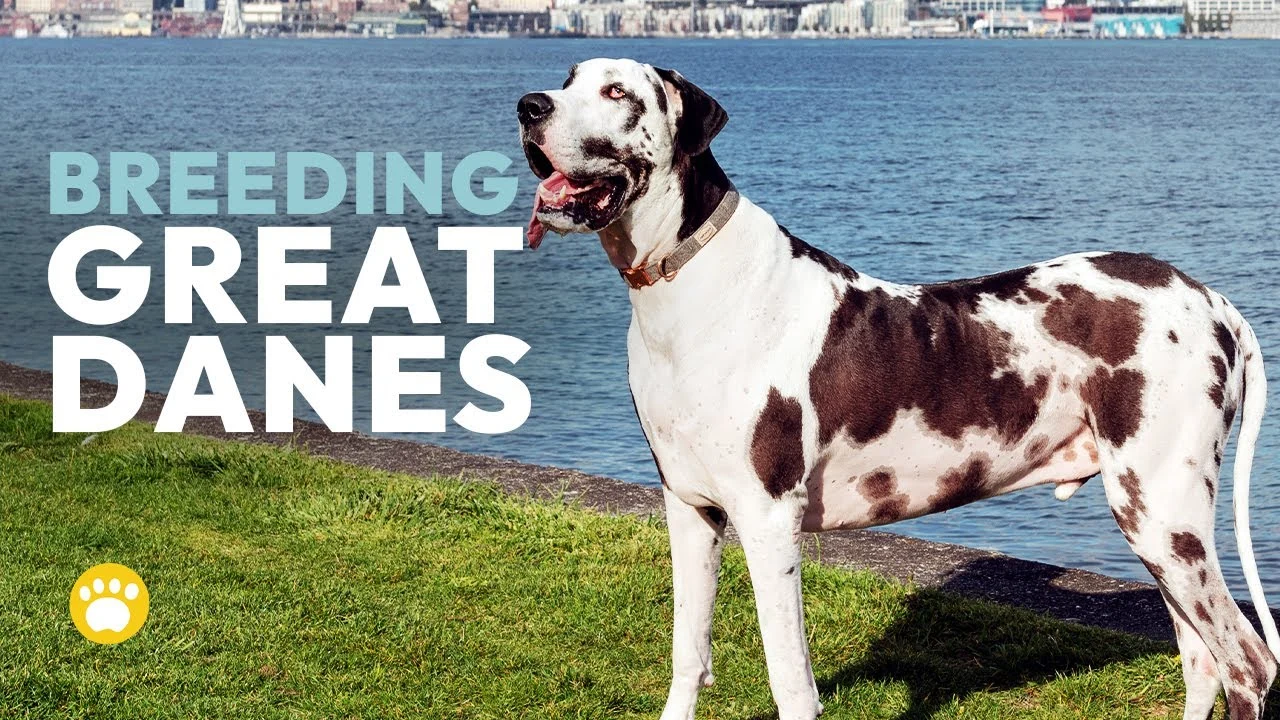
Breeding Great Danes isn’t just about having puppies. It takes careful planning, ethical decisions and a lot of care.
The Apollo of Dogs
Great Danes earned that nickname for their size and sweet nature. They were developed in Germany from a mix including Irish Wolfhounds and English Mastiffs, possibly with some Greyhound, and historically hunted big game like boar and bear and guarded royal courts. Despite their size, they’re loving family dogs that need plenty of space.
Key numbers
- Lifespan Typically 6 to 10 years
- Minimum breeding age Males 1 year; females 18 months
- Frequency No more than one litter a year
Health matters
Responsible breeding means thorough health checks to avoid passing on joint problems, heart conditions and thyroid issues. Expect significant vet bills and possibly C-sections because of the breed’s size. Lifespan can be shortened by cancer and bloat.

Ethical standards
The Great Dane Club of America outlines ethical breeding practices:
- Breed only dogs that are good examples of the breed’s physical and temperamental traits.
- Understand genetics well enough to work against hereditary disease.
- Don’t repeat pairings that have produced unhealthy puppies.
- Make sure every puppy goes to an informed home with health records, pedigree details and care instructions.
Legal and ethical considerations
Follow local and state laws on selling and caring for puppies. Ear cropping and tail docking, once done for function, are now widely seen as unnecessary and painful. Focus on health and happiness over appearance.
The takeaway
Great Danes need lots of food, space and healthcare, and breeding them is a serious financial and ethical commitment. Done right, it produces healthy, joyful gentle giants.